
If you are diagnosing hard starting, rough idle, power loss, or visible smoke on a Nissan LD20 diesel engine, the remanufactured fuel injection pump head rotor 146400-9720 is one part to check—but it is rarely the first part to condemn. This precision component sits inside the injection pump and meters high-pressure fuel. Before ordering a replacement, run the safe inspection sequence below and collect objective evidence. The following checklist helps you separate head rotor wear from fuel supply, injector, timing, and control system faults.
Related Parts

Reman Nissan LD20 Fuel Injection Pump Head Rotor 146400-9720 Diesel Engine Part

4/10R VE Pump Rotor Head 146400-2220 9 461 610 167 Fuel Injection Pump Head Rotor 10mm
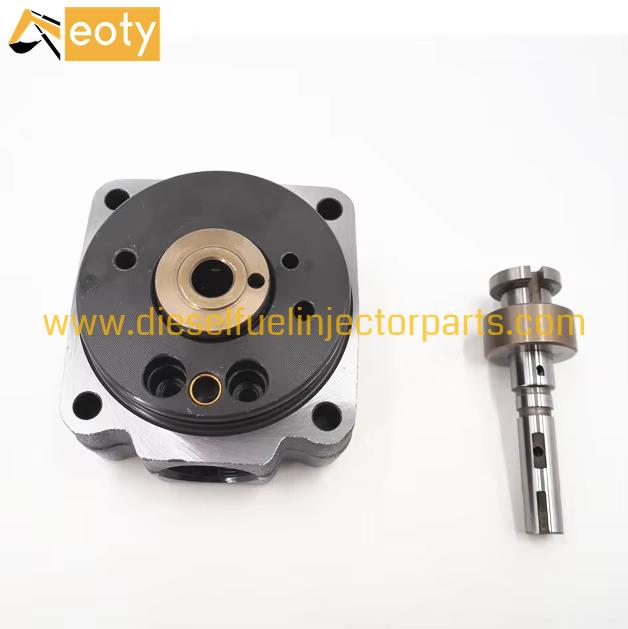
Diesel Engine Fuel Injection Pump Rotor Head 146400-2220 for 4-Cylinder Engines
What Is the Reman Nissan LD20 Fuel Injection Pump Head Rotor 146400-9720?
The fuel injection pump head rotor is a precision-machined component that rotates inside the diesel fuel injection pump. It meters and distributes high-pressure fuel to the correct injector line at the correct time. In many mechanically controlled pumps, the head rotor works with plungers, delivery valves, and a cam mechanism to generate injection pressure.
The number 146400-9720 is referenced as a remanufactured head rotor associated with the Nissan LD20 diesel engine. However, part numbers can change, be superseded, or vary by pump manufacturer. Always verify the stamped number on the old part and the pump identification plate before ordering.
- The head rotor is a precision component inside the diesel fuel injection pump; it is not an external part.
- Remanufactured means the part has been restored to a defined specification, but the exact reman scope must be confirmed with the supplier.
- Do not assume fitment for other engines, applications, or pump variants. Confirm both the part number and engine model.
- If the part does not carry visible identification, take clear photos and contact a diesel fuel injection specialist.
Note: The compatibility claim for 146400-9720 with Nissan LD20 engines requires verification against official parts data or supplier documentation.
Observable Symptoms That May Point to a Head Rotor Issue
The symptoms below are often reported on diesel engines with injection pump wear, but they are not conclusive evidence of head rotor failure. Many other part groups can produce identical symptoms. Record the conditions before dismantling anything.
- Hard starting, extended cranking, or no-start, especially when the engine is hot or cold.
- Rough idle, misfire, or uneven running that may come and go with engine temperature or load.
- Loss of power, poor throttle response, surging, or an inability to reach rated speed.
- Excessive smoke: white smoke can indicate unburned fuel, black smoke over-fueling, blue smoke oil.
- Strong fuel odor, visible fuel leaks, pressure loss, or increased fuel consumption.
- Engine stalls or cuts out after starting, sometimes following a hard start.
Caution: These symptoms can also come from fuel supply, injectors, timing, or electronic controls. Do not open the injection pump until basic supply and timing checks are complete.
Safe First Checks Before You Suspect the Head Rotor
Perform these external checks first. They are lower risk, less expensive, and often reveal the true fault without opening the pump.
- Follow the service manual: Depressurize the fuel system safely. Diesel fuel under high pressure can penetrate skin.
- Verify fuel level and quality: Check for water, debris, gasoline contamination, or microbial growth. Drain a sample if possible.
- Inspect fuel lines, filters, lift pump, and return lines: Look for restrictions, kinks, leaks, or loose connections.
- Check for air in the fuel system: Air ingress can cause hard starting and rough running. Prime the system only as specified.
- Record battery voltage and cranking speed: Slow cranking can mimic a fuel fault.
- Check for fault codes: If the engine has electronic management, retrieve any diagnostic trouble codes first.
- Inspect injection pump mounting and timing marks: Loose bolts or altered timing can cause poor running.
Only after these checks pass or are documented as satisfactory should you proceed to the head rotor inspection.
Inspection Checklist for the Injection Pump Head Rotor
This checklist assumes the pump has been removed according to the service manual and the work area is clean. Use calibrated tools for all measurements.
| Inspection Step | What to Look For | Evidence or Action |
|---|---|---|
| 1. Confirm part number | Stamped number on the pump and head rotor; engine model LD20 | Matches 146400-9720 and application; no signs of grinding or re-stamping |
| 2. Visual inspection | Scoring, corrosion, varnish, stuck plungers, or damaged ports | Photograph all findings; note depth and location of any marks |
| 3. Check for particles | Metal particles or debris in the pump housing and fuel system | Collect a sample; a filter cut-open may be needed |
| 4. Measure wear points | Clearances and surface finish at specified locations | Compare to manufacturer’s specifications only; do not guess limits |
| 5. Photograph and record | All findings, measurements, and surrounding components | Keep for a second opinion or warranty claim |
| 6. Decide next step | Head rotor within specification or not | If within spec, investigate other part groups before replacement |
Important: A worn head rotor often leaves evidence such as scoring or metal transfer, but some wear is normal. Do not condemn the part based on appearance alone.
Evidence to Collect Before Replacing the Head Rotor
Collect this evidence to justify replacement and avoid unnecessary parts swapping:
- Symptom log: When it happens, engine temperature, load, duration, and any associated conditions.
- Fuel pressure and return flow test results: Only if specified by the service manual; record actual values.
- Contamination analysis: Fuel sample analysis or filter cut-open findings.
- Photos and measurements: Clear images of the head rotor, pump internals, and any stamped numbers.
- Part number verification: Exact part number 146400-9720 and engine model LD20, plus any pump serial number.
- Repair history: Previous fuel system work, fuel quality records, or recent service that may have introduced contamination.
- Specialist opinion: A second opinion from a diesel fuel injection specialist before ordering.
Likely Part Groups That Can Share These Symptoms
Before focusing only on the head rotor, rule out these part groups:
- Fuel supply group: Tank, pickup screen, fuel lines, filter, lift pump, and return system. Air leaks or restrictions are common.
- Injection pump internals: Head rotor, plungers, delivery valves, control mechanisms, and governor components. Verify exact names in the LD20 service manual.
- Injectors and nozzles: Wear, coking, or incorrect pop pressure can mimic pump faults.
- Timing and drive group: Timing belt/chain, gears, or coupling. Incorrect timing causes smoke and power loss.
- Engine management sensors and actuators: If applicable to the LD20 variant, check coolant temperature, crank position, and fuel control sensors.
- Air intake and exhaust: Restricted air filter or exhaust can cause black smoke and low power.
Always verify the specific LD20 injection pump layout in the service manual. Some LD20 engines may use a Bosch VE-style pump, but do not rely on this without confirmation.
When a Remanufactured Head Rotor Is the Right Choice
If the inspection evidence clearly shows head rotor wear beyond specification, a remanufactured unit can be a practical repair option, but the decision involves more than part cost.
- Reman scope: Ask what was replaced, tested, and calibrated. A reman head rotor may not include seals, O-rings, or calibration.
- Warranty and core policy: Get terms in writing. Some suppliers require the old unit as a core.
- Repair capability: The pump must be set up and tested on a diesel injection test bench after installation. If your shop cannot do this, consider a complete reman pump.
- Total cost: Compare head rotor replacement plus pump overhaul labor against a complete reman pump. Downtime matters.
- Supplier verification: Confirm the part number 146400-9720 and engine application with the supplier before ordering.
Note: Remanufactured parts can offer cost and availability advantages, but quality varies by supplier. Claims about cost savings or performance are not universal and require verification.
FAQ: Reman Nissan LD20 Fuel Injection Pump Head Rotor 146400-9720
What causes head rotor failure?
Contamination, wear, lack of lubrication, or overheating can contribute, but the exact cause must be confirmed by inspection. Do not assume a single cause without evidence.
Can I replace only the head rotor?
It depends on the pump design and the condition of related components. Follow the service manual and obtain specialist advice. In many cases, replacing only the head rotor is not recommended if other internals are worn.
How do I verify part number 146400-9720?
Match the stamped numbers on the old part and the pump identification plate. Confirm the engine model is Nissan LD20. Send clear photos to your supplier if needed.
What evidence do I need before ordering?
A symptom log, fuel pressure and return flow test results (if applicable), contamination analysis, photos, part number verification, and ideally a specialist opinion.
Will a reman head rotor fix all symptoms?
No. Other parts may also need attention. Complete the inspection checklist and rule out fuel supply, injectors, timing, and control system faults before replacing the head rotor.
Need Help Identifying the Right Reman Head Rotor for Your LD20?
Providing the following information helps us check compatible options and respond accurately to your RFQ:
- Your part number, engine model (Nissan LD20), and machine model.
- Clear photos of the old head rotor and any stamped numbers.
- Your inspection findings, measurements, and evidence.
- Any prior repair history or known fuel system issues.
Send your part number, engine model or machine model
Tell us what you need and we will help you.